
Combination changes
Safe Combination Changes
A safe is only as private as its combination. If you moved into a home with a safe, bought one used, or the list of people who know the code has grown too long, changing it is cheap insurance for what's inside. Mike changes combinations on dial and electronic safe locks for homes and businesses.
- SAVTA member
- ALOA member
- Owner-operated: you talk to Mike
- Mobile: Mike comes to you
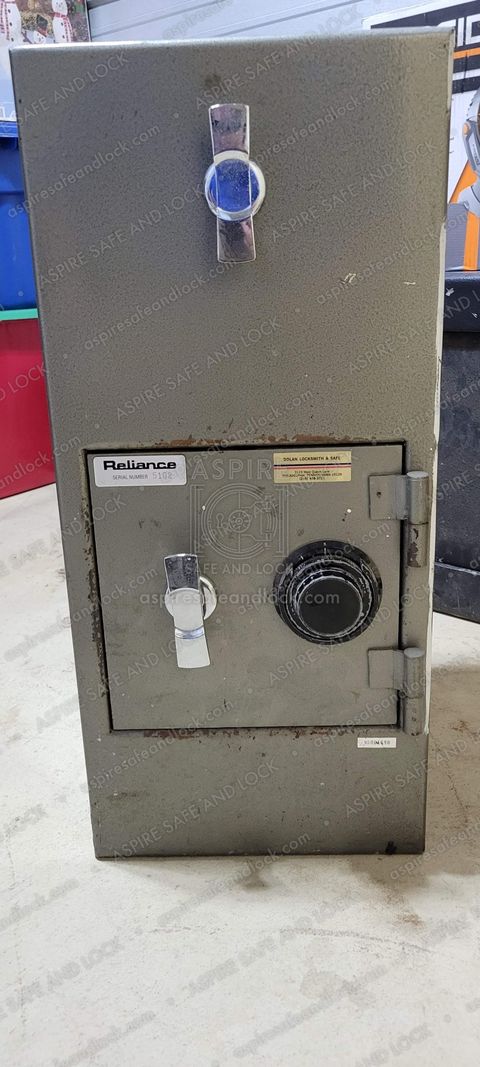
Short answer: change your safe combination any time you can't be sure who knows it: after moving into a home with a safe, buying a used safe, a roommate or employee leaving, or a break-up. Don't try it yourself unless you know exactly what you're doing. A combination change gone wrong is what normally causes lockouts.
When should you change a safe combination?
- You moved into a house that came with a safe. The previous owner, their family and whoever they hired may all know it.
- You bought a used safe. The seller, and possibly earlier owners, know the combination.
- Someone who knew it left. An employee, a manager, a roommate or an ex.
- Too many people know it. Codes get shared over time. If you can't list everyone, it's time.
- It's still the factory setting. Many safes ship with a default combination or code that is published or easy to guess.
- You suspect someone saw it. A keypad can be watched, and worn buttons can hint at the digits.
Combination changes are one of Mike's safe and vault services, along with lock upgrades.
Why Mike doesn't recommend doing it yourself
Mike does not recommend anyone try to change their own combination if they don't know what they're doing. In his experience, that is what normally causes lockouts.
Having a safe specialist do the change costs far less than opening a safe that locked itself with an unknown combination.
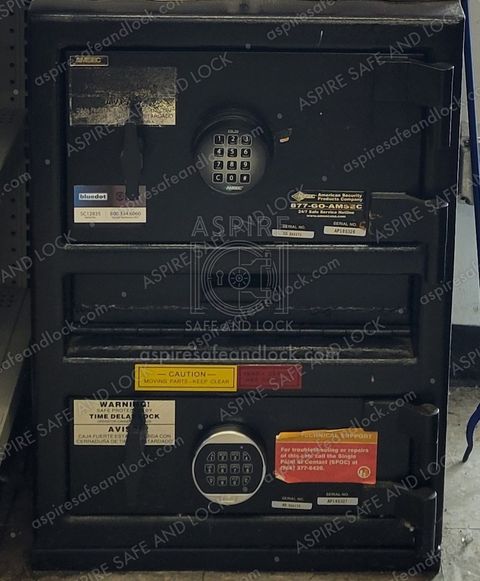
Combination changes for business safes
For a store, office or bank branch, a combination change is part of normal security, not a one-off. When a manager or employee leaves, the safe combination should change with the door locks and alarm codes.
- Deposit and drop safes often have a separate lock on the lower door. Each lock needs its own change.
- Under-counter and teller safes may have two locks, so no single person can open them alone.
- Electronic locks with user codes let one person's code be removed without changing everyone else's, which makes turnover much easier to manage.
- Dual control. A mechanical combination can be split between two people, so neither can open the safe alone.
Mike's background is in exactly this kind of equipment: under-counter steel, deposit safes, ATMs and teller cash recyclers. More on the business and ATM safes page, and for doors and master key systems, see commercial locksmith work.
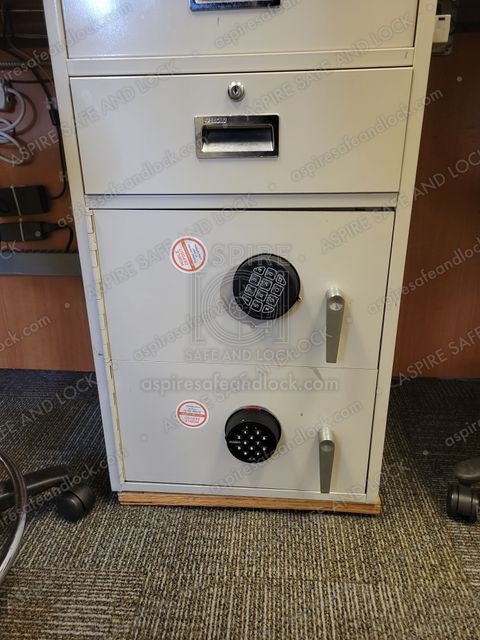
Good time for a lock upgrade?
If you're changing the combination anyway, it's worth asking whether the lock itself still makes sense. A dial that's getting stiff, a keypad that keeps throwing low-battery warnings, or a business that needs separate user codes are all reasons to swap the lock at the same visit. See electronic safe locks for dial-to-keypad and keypad-to-dial upgrades.
What if nobody knows the current combination?
Then it isn't a combination change yet. The safe has to be opened first. Start with lost safe combination.
To book a change, call or text Mike at (661) 927-7473 with the brand of the safe and whether it has a dial or a keypad.
Questions people ask
Can I change my safe combination myself?
Mike does not recommend anyone try changing their combination if they don't know what they're doing. This is what normally causes lockouts.
How much does a safe combination change cost?
It depends on the lock, dial or electronic. See how Mike prices safe work.
Do I need the old combination to change it?
Usually, yes. Changing a combination normally starts with the safe open and the current combination working. If nobody knows it, the safe has to be opened first. See lost safe combination.
How often should a business change its safe combination?
At minimum, whenever someone who knows it leaves. Many businesses also change it on a regular schedule. Electronic locks with separate user codes make this easier, and a mechanical combination can be split between two people in dual control.
Can you switch my dial lock to a keypad at the same time?
Yes. Mike's past work includes lock upgrades and new keypad installs. See electronic safe locks for the pros and cons of each type.
Tell Mike what's going on
Locked out right now? Call. It's the fastest way. For a safe that isn't an emergency, or for business and bank work, send the details below or text a photo of the safe and its lock to (661) 927-7473 or email it to info@aspiresafeandlock.com.
Business hours: Monday to Friday, 9am to 5pm (closed weekends and holidays). Emergency service is available 24 hours.